A landmark moment for India’s childhood cancer movement
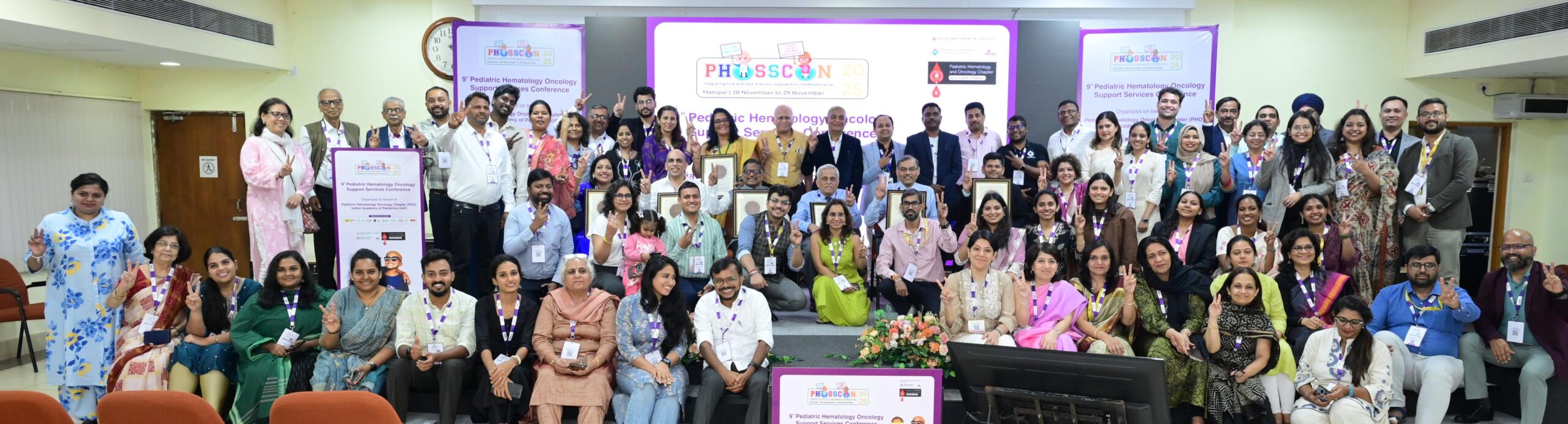
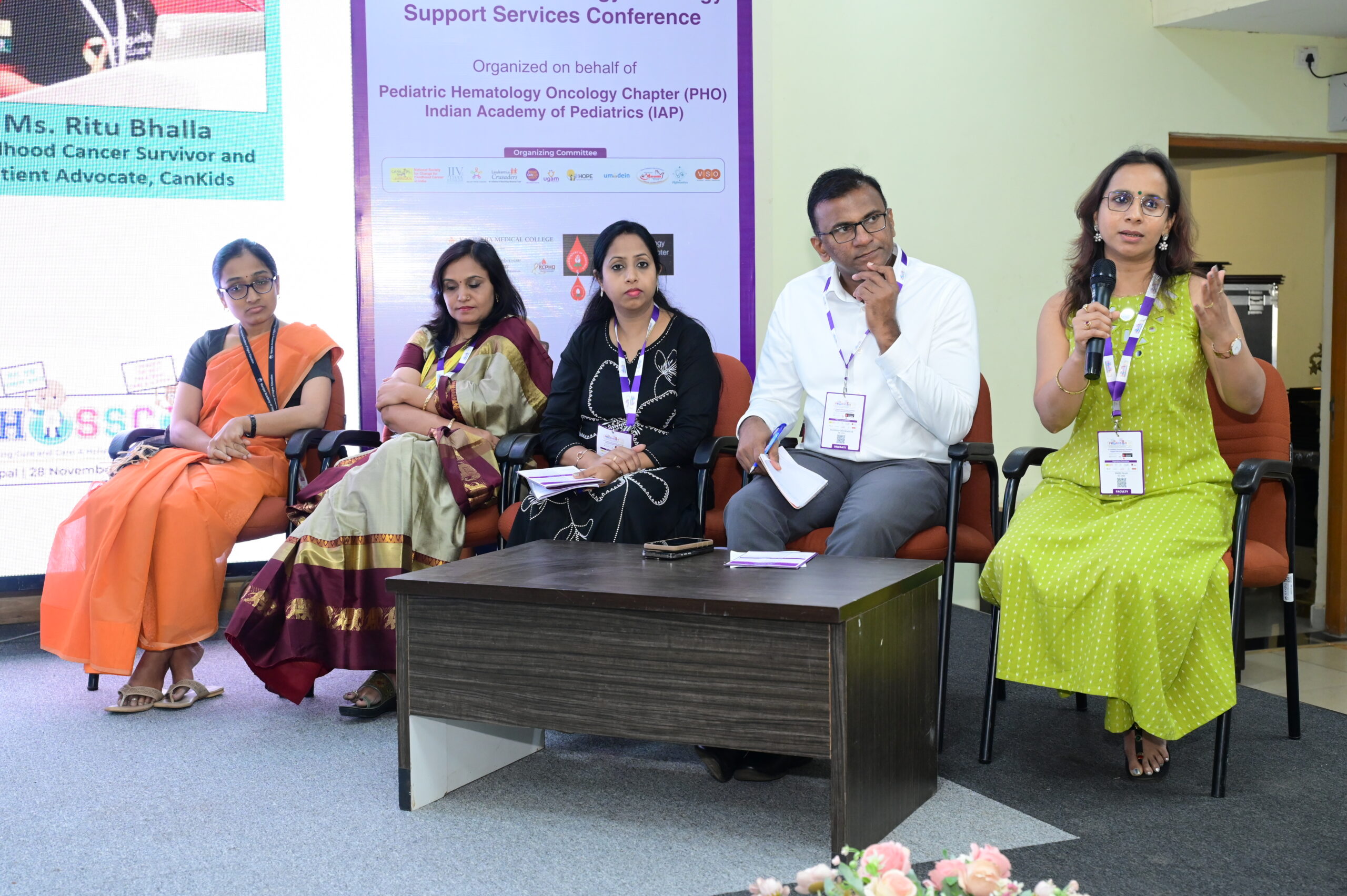
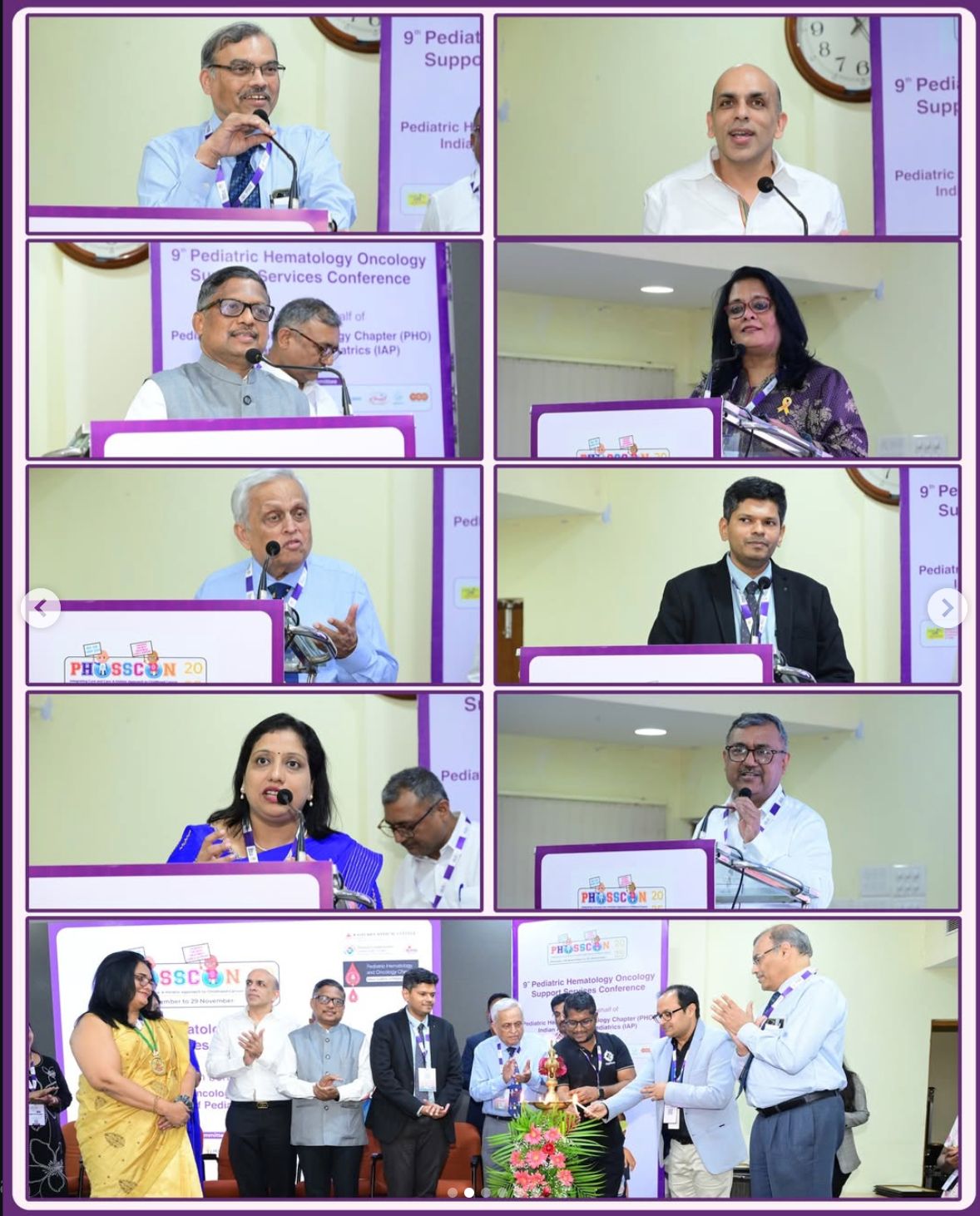
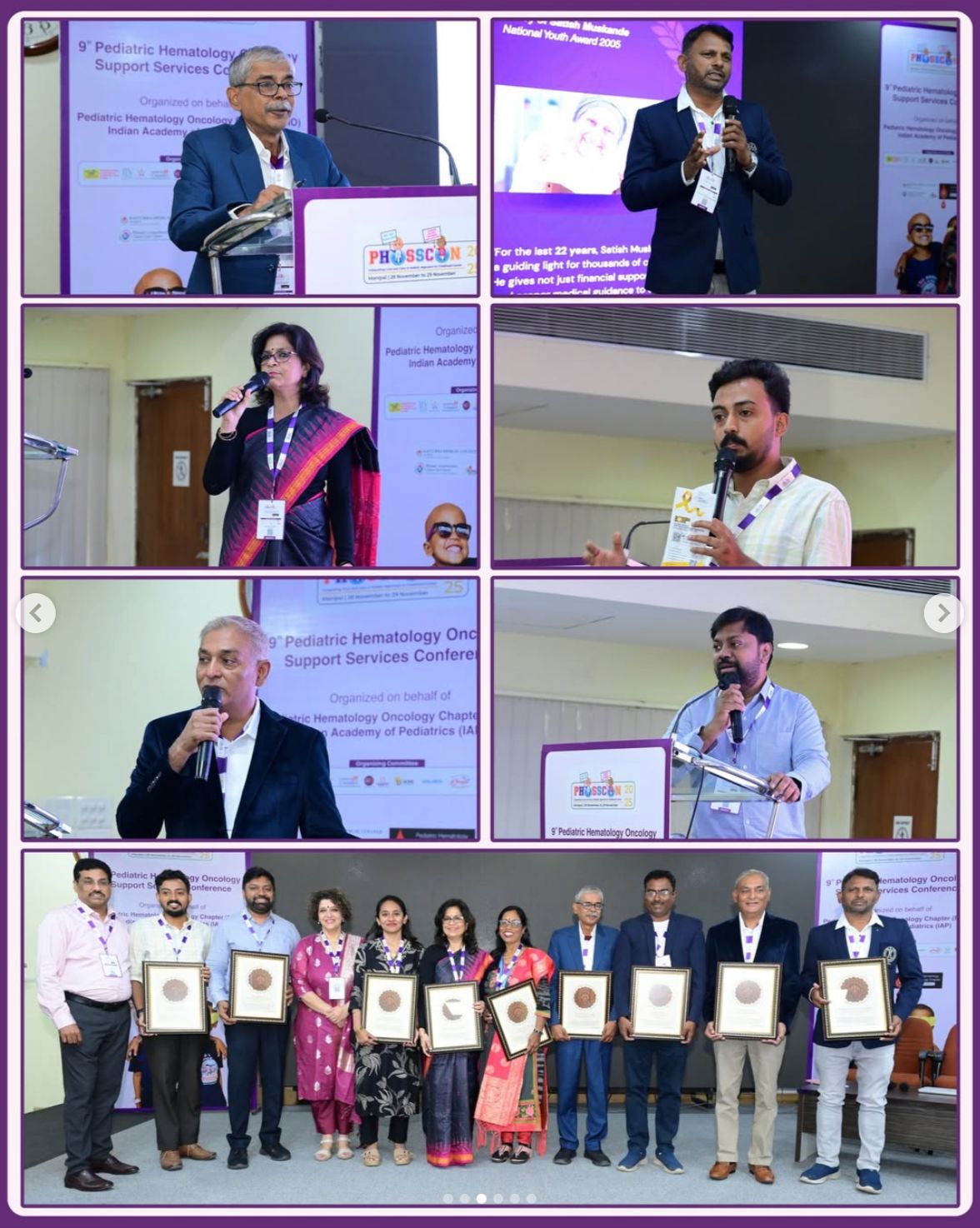
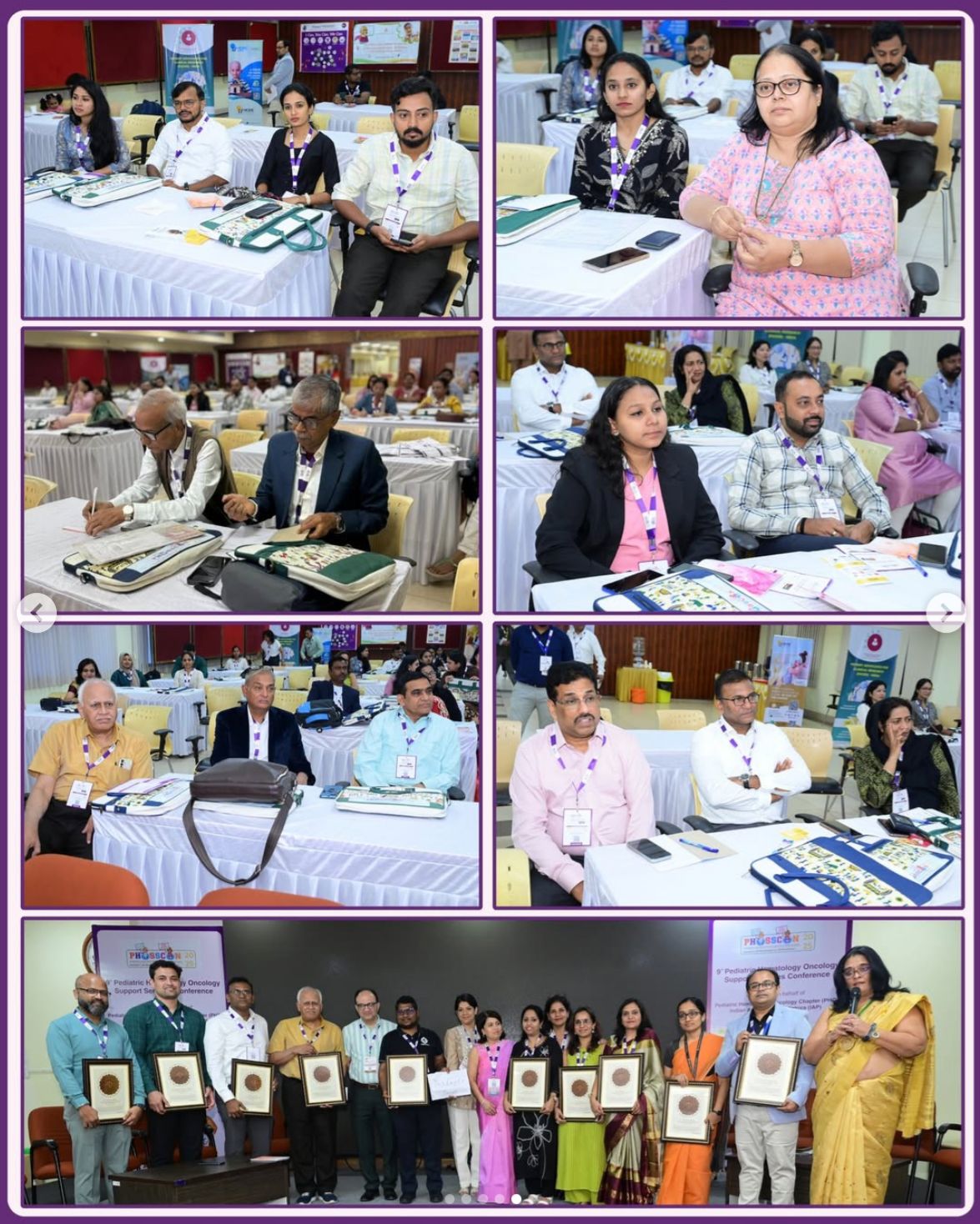
PHOSSCON 2025, held alongside the 28th PHOCON at Manipal MAHE, was one of the most unified gatherings India has seen in the fight against childhood cancer. Over two days, doctors, survivors, parents, NGOs, students, nurses, researchers and global partners came together with one shared purpose: to strengthen how India combines medical cure with compassionate care for every child.
From the very start, survivors and families set the tone. Their stories reminded everyone why this work matters and how systems change when those who have lived the journey lead the conversation.
As one participant said, “When survivors speak, the system learns.”
Key Highlights
PHOSSCON 2025 focused on practical, family-friendly outcomes:
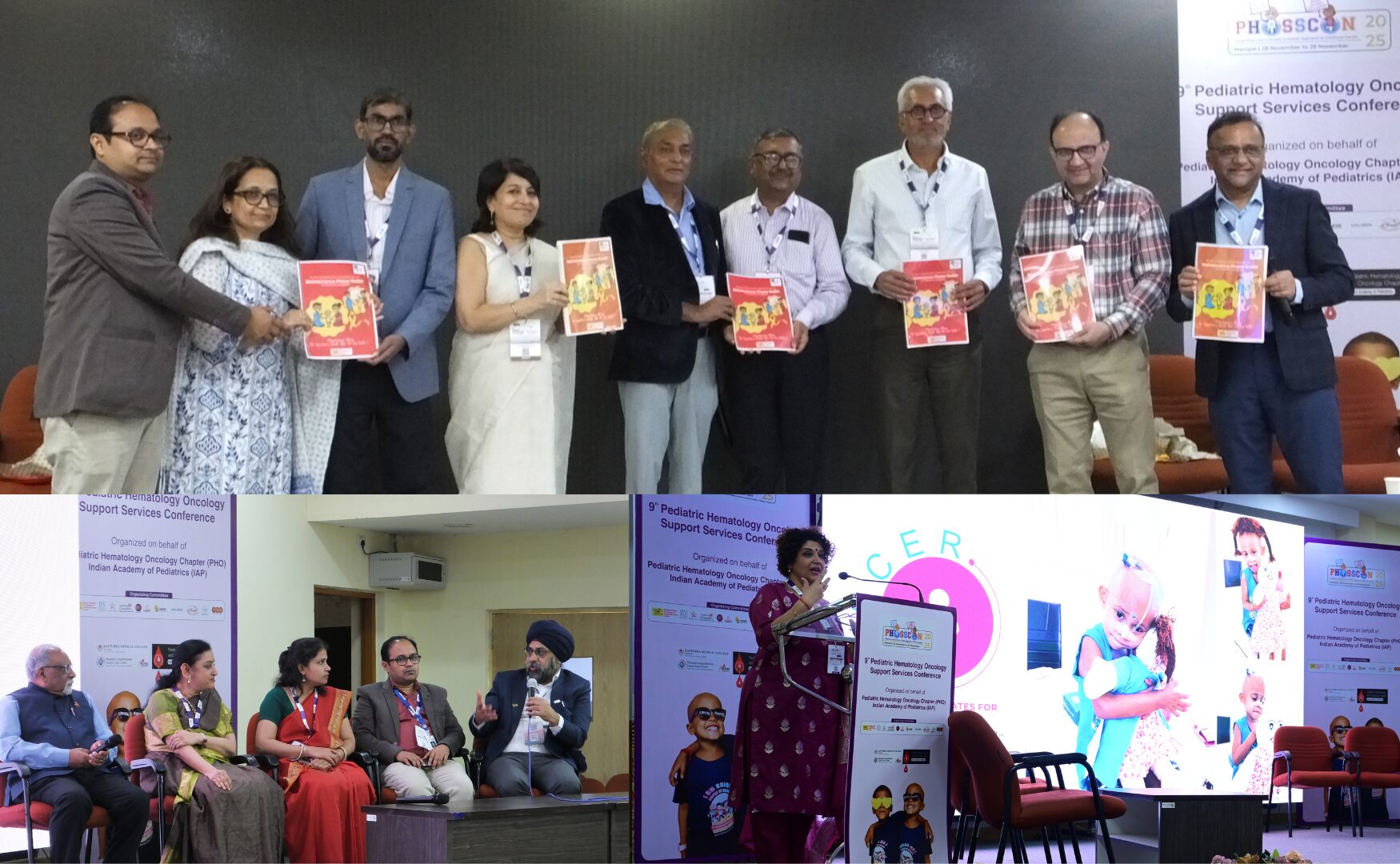
Launch of the ALL Maintenance Caregiver Guide: a simple, hands-on resource to support families during one of the toughest phases of treatment.
A workshop on clinical trials and research ethics to help organisations better understand and support research.
A national priority-setting exercise where doctors, NGOs, parents and survivors jointly shaped India’s childhood cancer research agenda.
A strategic discussion on India’s 2030 childhood cancer goals, emphasising that reaching every child is a shared responsibility.
Integrated sessions on survivorship and palliative care, reinforcing the theme: Integrating Cure and Care.
The conversations were honest, real and grounded in lived experience. Participants spoke openly about what works, what doesn’t, and what families truly need. As one delegate said, “We didn’t talk about ideal systems. We talked about what children feel every day.”
With over 150 participants and 40 organisations, PHOSSCON 2025 was the most diverse and collaborative edition yet. And the message was clear: India needs every stakeholder, medical teams, civil society, psychosocial experts and survivor leaders working together.
“Not about me, but with me.”
“Not about us, but with us.”
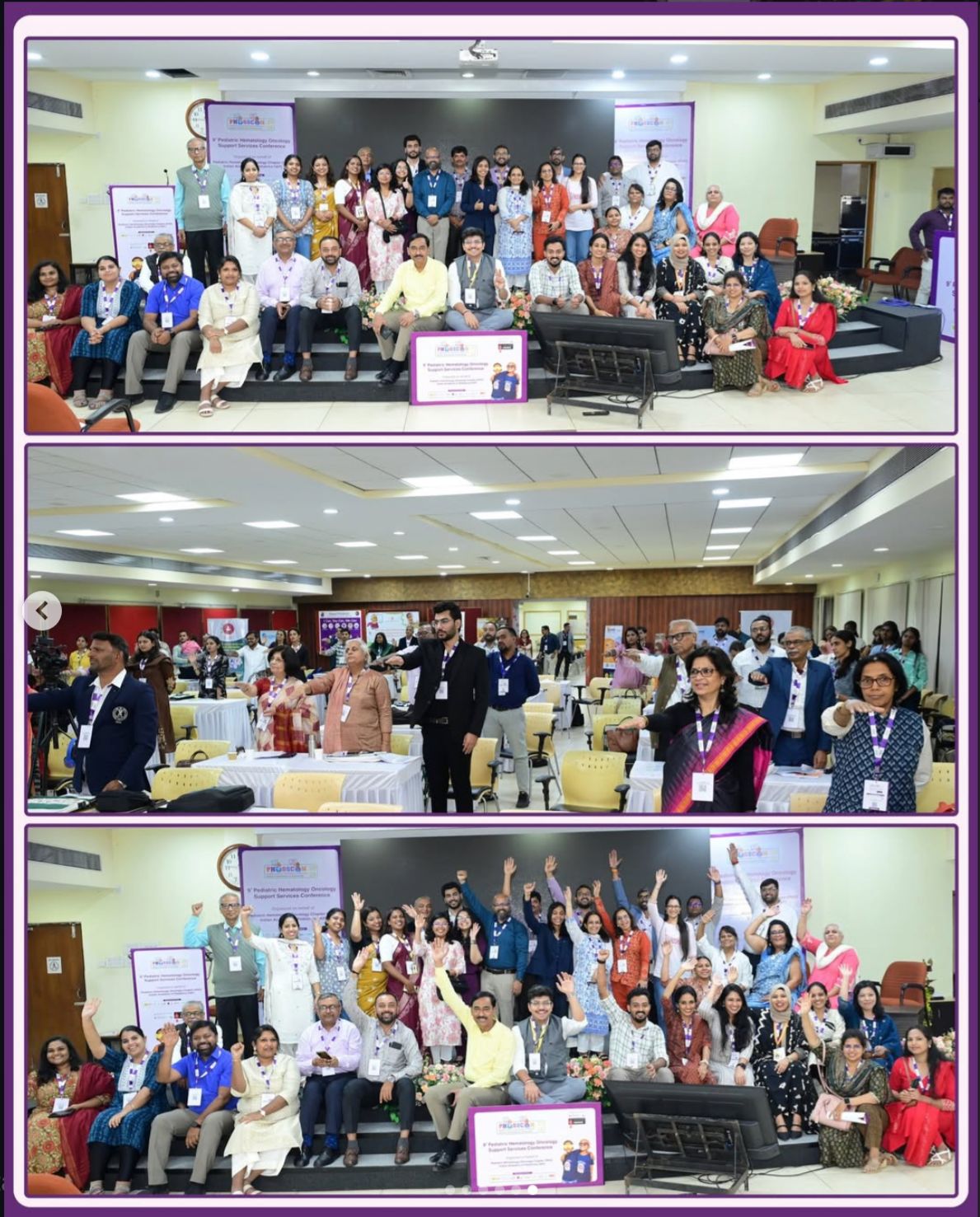
A defining moment at PHOSSCON 2025 was the pledge-taking. Survivors led with their pledge: “Not about me, but with me.” It affirmed their role as partners in shaping care.
The wider community: NGOs, clinicians, parents and survivor leaders, then took a shared pledge: “Not about us, but with us.”
A united commitment to build systems with, not for, families and survivors.