The Pediatric Cancer Convergence
Bridging Policy, Care, and Lived Experience
Convened by the Indian Childhood Cancer Initiative (ICCI)
Childhood Cancer Ecosystem Framework in India: The 7S Mandala of Care
CanKids KidsCan’s proposed framework for strengthening childhood cancer care through integrated state ecosystems, shared care pathways, referral systems, and financial protection.
Download the 7S Mandala of Care Presentation
Access the complete presentation resource on state ecosystems, shared care, referral pathways, Samanvay Kendras, tumour boards, and WHO CureAll alignment.
Download the full PresentationPolicy, care, and lived experience converging into action
Improving childhood cancer survival requires more than advances in treatment. It demands health systems that ensure timely diagnosis, coordinated referral pathways, uninterrupted treatment, financial protection, psychosocial support, and meaningful participation of children and families throughout the care journey. In low- and middle-income countries, survival is determined as much by the strength of these systems as by the quality of clinical care.
Presented at the ICCI National Stakeholder Workshop on Childhood Cancer (New Delhi, 21–22 May 2026), this framework outlines CanKids…KidsCan’s integrated systems approach to strengthening childhood cancer care across diverse state ecosystems in India. The framework introduces the 7S Mandala of Care, a patient-centred systems model that brings together seven interconnected domains: Sahbhaagita (Patient-Centred Care and Participation), Samanvay (Governance and Care Coordination), Sahjakaran (Shared Care), Sugamikaran (Financial Protection), Seva (Holistic Support), Sakshamikaran (Capacity Building), and Sanshodhan (Research and Innovation).
The framework is designed to support the 100-100-60 Goals—100% access to quality childhood cancer care, 100% financial protection through Universal Health Coverage, and at least 60% survival by 2030—while aligning with the World Health Organization Global Initiative for Childhood Cancer and India’s National Cancer Control Programme.
Drawing on implementation experience across multiple Indian states, the presentation demonstrates how government partnerships, shared-care networks, district referral systems, Childhood Cancer Care Divisions, Samanvay Kendras, multi-stakeholder collaboration, and patient-centred research can together strengthen childhood cancer ecosystems. The framework offers a practical model for integrating policy, clinical care, community engagement, and health system strengthening to improve outcomes for children with cancer in India and other low- and middle-income settings.
Bagai P. Childhood Cancer Ecosystem Framework in India: From Policy to Practice. Presentation delivered at the ICCI National Stakeholder Workshop on Childhood Cancer, New Delhi, India, 21–22 May 2026. CanKids…KidsCan National Outreach Programme.
A national platform to accelerate equitable childhood cancer care
National Stakeholder Workshop on Childhood Cancer
The National Stakeholder Workshop on Childhood Cancer, convened by the Indian Childhood Cancer Initiative (ICCI), brought together policymakers, healthcare leaders, government representatives, clinicians, civil society organizations, researchers, survivor advocates, and development partners to strengthen childhood cancer systems in India.
Held under the theme "The Pediatric Cancer Convergence: Bridging Policy, Care, and Lived Experience," the workshop served as a national platform to foster collaboration, exchange knowledge, and accelerate progress towards equitable childhood cancer care across the country.
Building on the World Health Organization's Global Initiative for Childhood Cancer (WHO-GICC), the workshop focused on translating policy into practice through integrated state ecosystems, health systems strengthening, and multi-stakeholder partnerships.
About ICCI
The Indian Childhood Cancer Initiative (ICCI) is India's national multi-stakeholder platform dedicated to improving childhood cancer outcomes through coordinated action, policy engagement, research, advocacy and collaboration.
Launched in March 2023, ICCI brings together more than 250 members representing 80+ hospitals, 30+ civil society organizations, government institutions, international agencies, healthcare professionals, researchers, and people with lived experience.
Together, ICCI is working to strengthen childhood cancer systems of care and support India's journey towards a National Childhood Cancer Programme.
What the workshop set out to achieve
Strengthen collaboration between government, healthcare institutions, civil society, and development partners.
Showcase innovative state models and health system approaches for childhood cancer care.
Discuss financing, access to care, referral pathways, and shared care models.
Identify priorities for strengthening state ecosystems and advancing a National Childhood Cancer Programme.
Promote knowledge exchange and collaborative action across India's childhood cancer community.
Who came together in the room
Chief Guest AddressDr. V. K. Paul
Former Member, NITI Aayog, Government of India, and Former Head, Department of Pediatrics, AIIMS, New Delhi.
Ministry of Health & Family WelfareDr. L. Swasticharan
Deputy Director General, Directorate General of Health Services (DGHS), Ministry of Health & Family Welfare, Government of India.
State Health LeadershipDr. Amit Kumar Ghosh, IAS
Additional Chief Secretary, Medical Health, Family Welfare & Medical Education, Government of Uttar Pradesh. A senior IAS officer leading public health policy, healthcare delivery, and medical education in Uttar Pradesh, he contributed valuable perspectives on strengthening state health systems and advancing childhood cancer care.
Global Health LeadershipBishnu Rath Giri
Technical Officer – Cancer Control, WHO South-East Asia Regional Office (WHO SEARO), contributing regional perspectives on strengthening childhood cancer systems and implementation of the WHO Global Initiative for Childhood Cancer (GICC).
National & Global AgenciesRepresentatives from the Ministry of Health & Family Welfare, NHA, NHSRC, ICMR, NITI Aayog, WHO, St. Jude Global, GRID Council, UNICEF, and other national and international technical partners.
State Governments & Community ExpertsRepresentatives from Assam, Chhattisgarh, Gujarat, Maharashtra, Madhya Pradesh, Odisha, Puducherry, Punjab, Tamil Nadu, Uttar Pradesh, and West Bengal, alongside pediatric oncology experts, healthcare professionals, civil society organizations, childhood cancer survivors, and patient advocates.
Four panels shaping India's childhood cancer roadmap
Optimizing Care Pathways: Strengthening Centres of Excellence and Referral Networks
Focused on improving referral systems, hub-and-spoke models, and strengthening access through coordinated care pathways.
Sustainable Investment: Expanding Universal Health Coverage for Childhood Cancer
Explored innovative financing mechanisms, financial protection, and strategies to strengthen Universal Health Coverage for children with cancer.
The National Roadmap: Towards a Unified Pediatric Cancer Policy Framework
Examined national policy priorities, systems strengthening, and collaborative approaches for integrating childhood cancer into public health systems.
From Policy to Practice: Tailoring Pediatric Oncology to Diverse State Ecosystems
Moderated by Ms. Poonam Bagai, Founder Chairman, CanKids KidsCan and ICCI Governing Council Member, this session explored how different Indian states can develop context-specific childhood cancer ecosystems while working towards common national goals.
The discussion highlighted state-led strategies, shared care models, government partnerships, health systems strengthening, financial protection, access to care, and integrated referral ecosystems — drawing on CanKids' evolving 7S Mandala of Care Framework and the concept of Childhood Cancer Divisions (CCDs).
Available Downloads
Moments from the workshop
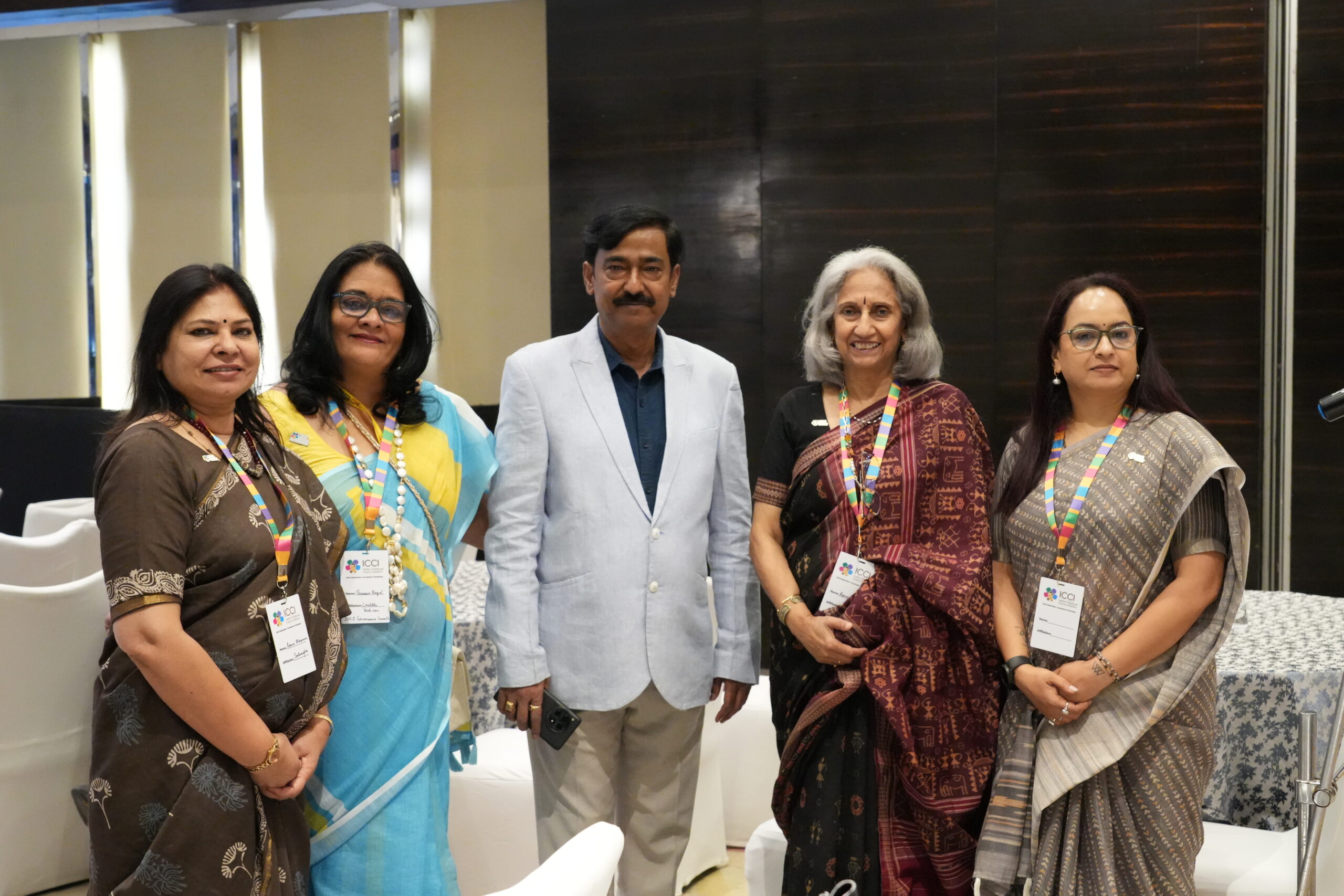
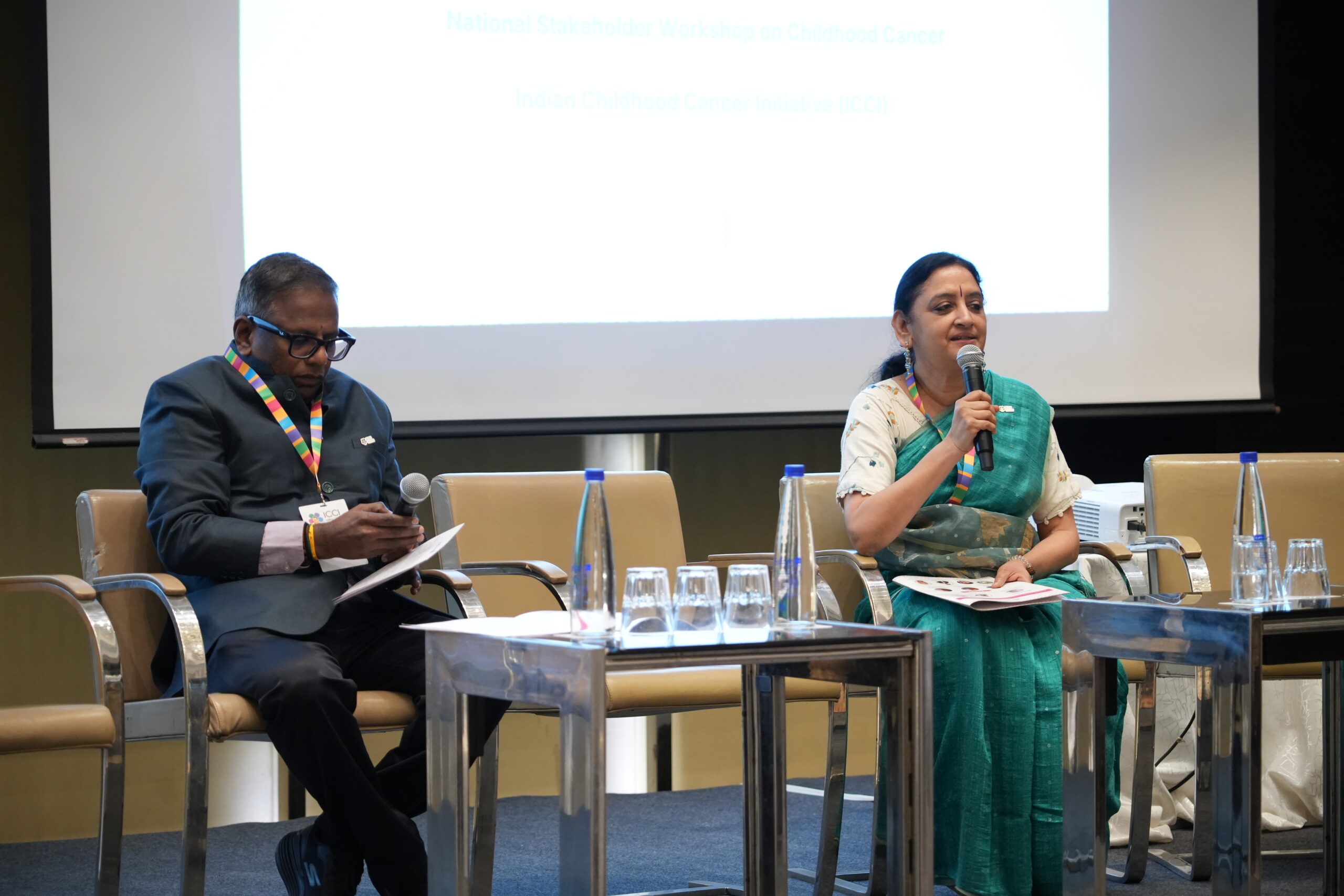
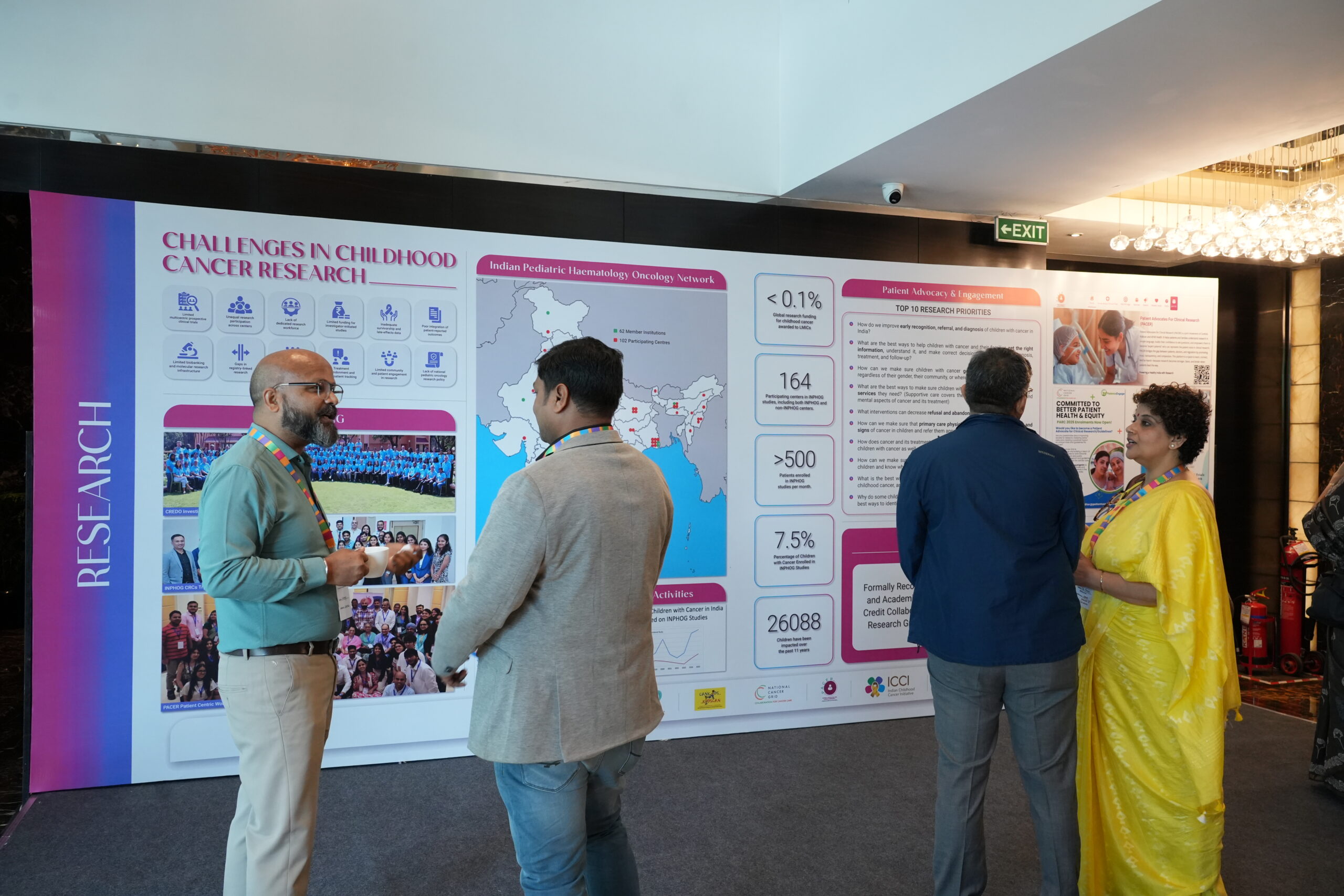
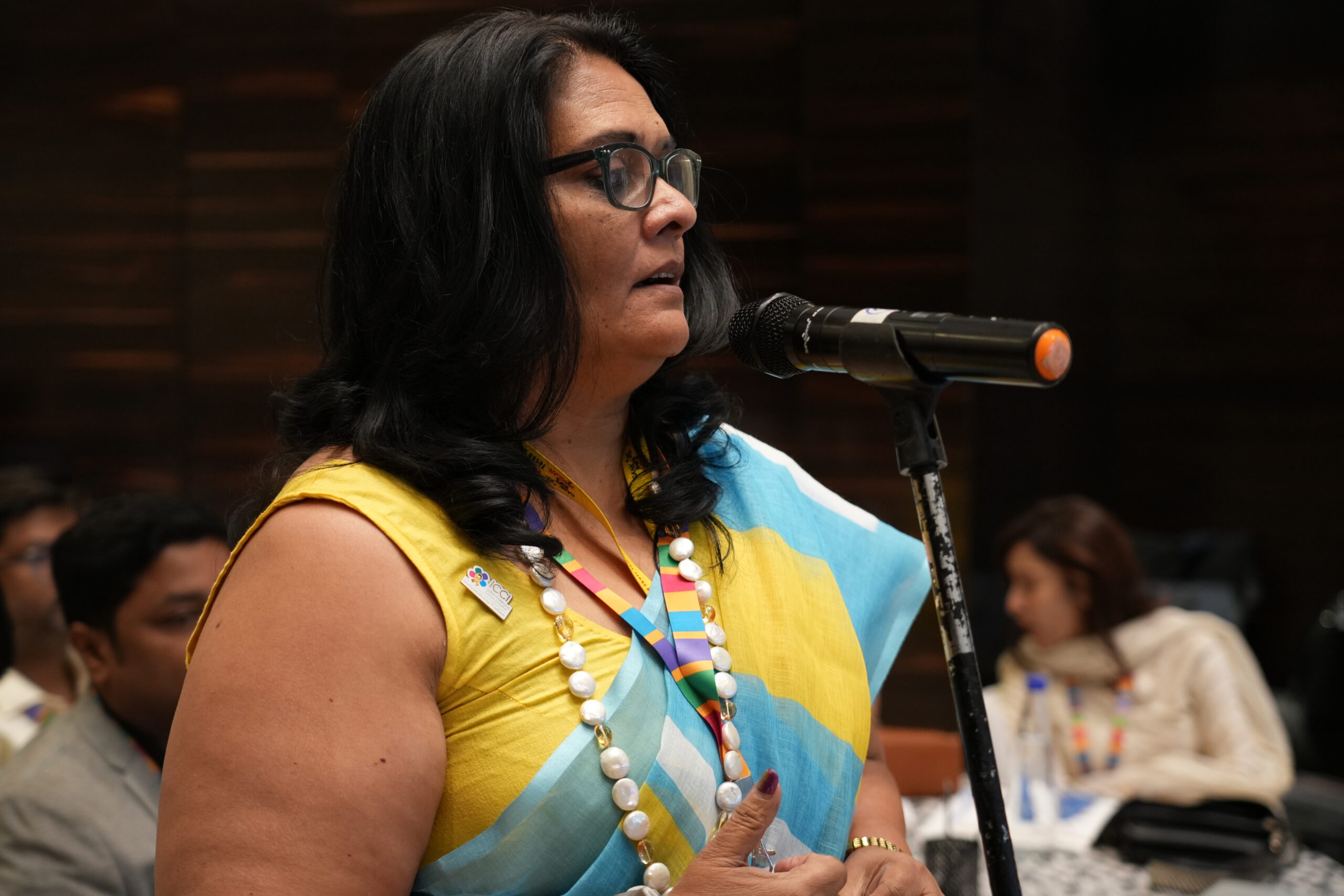
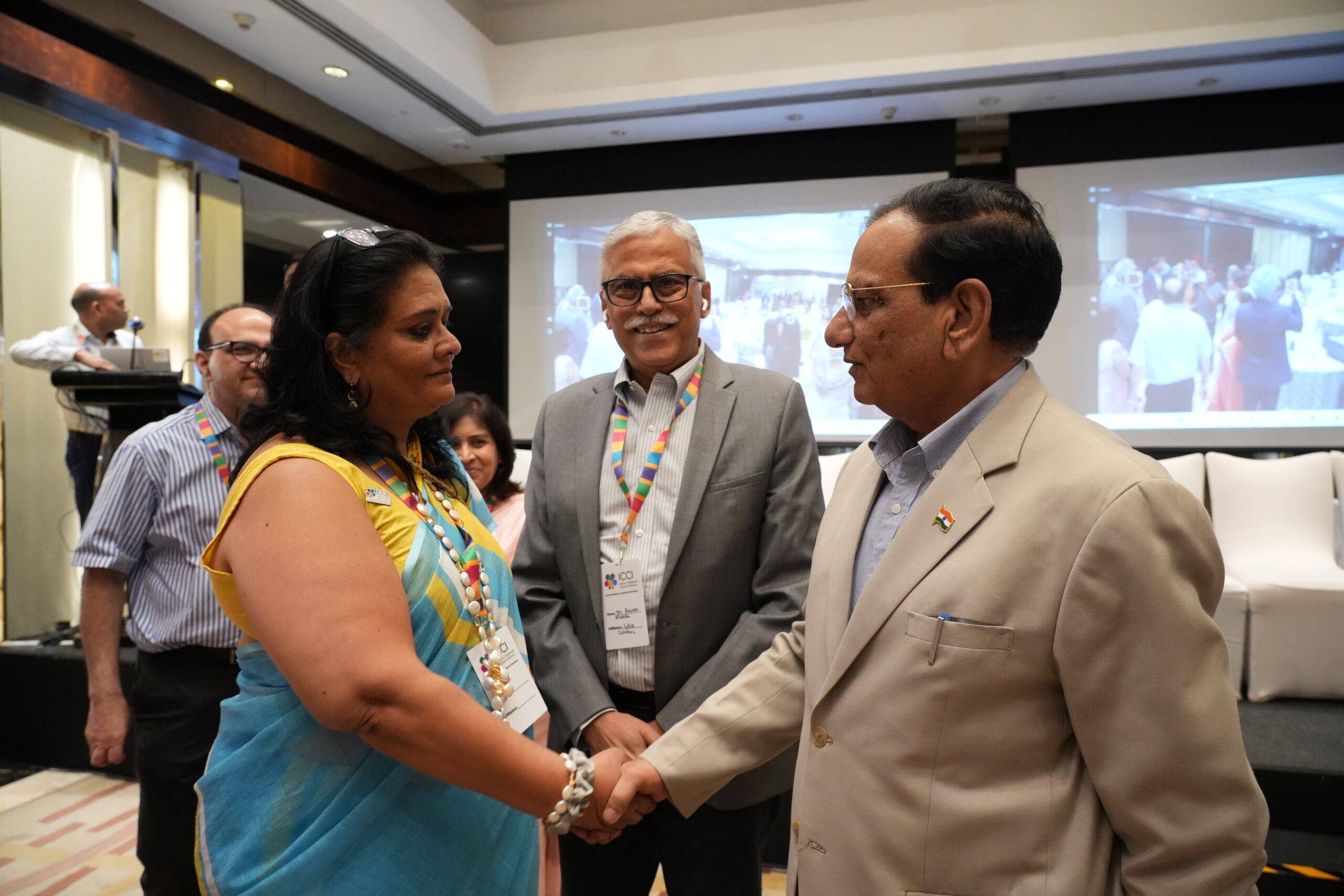
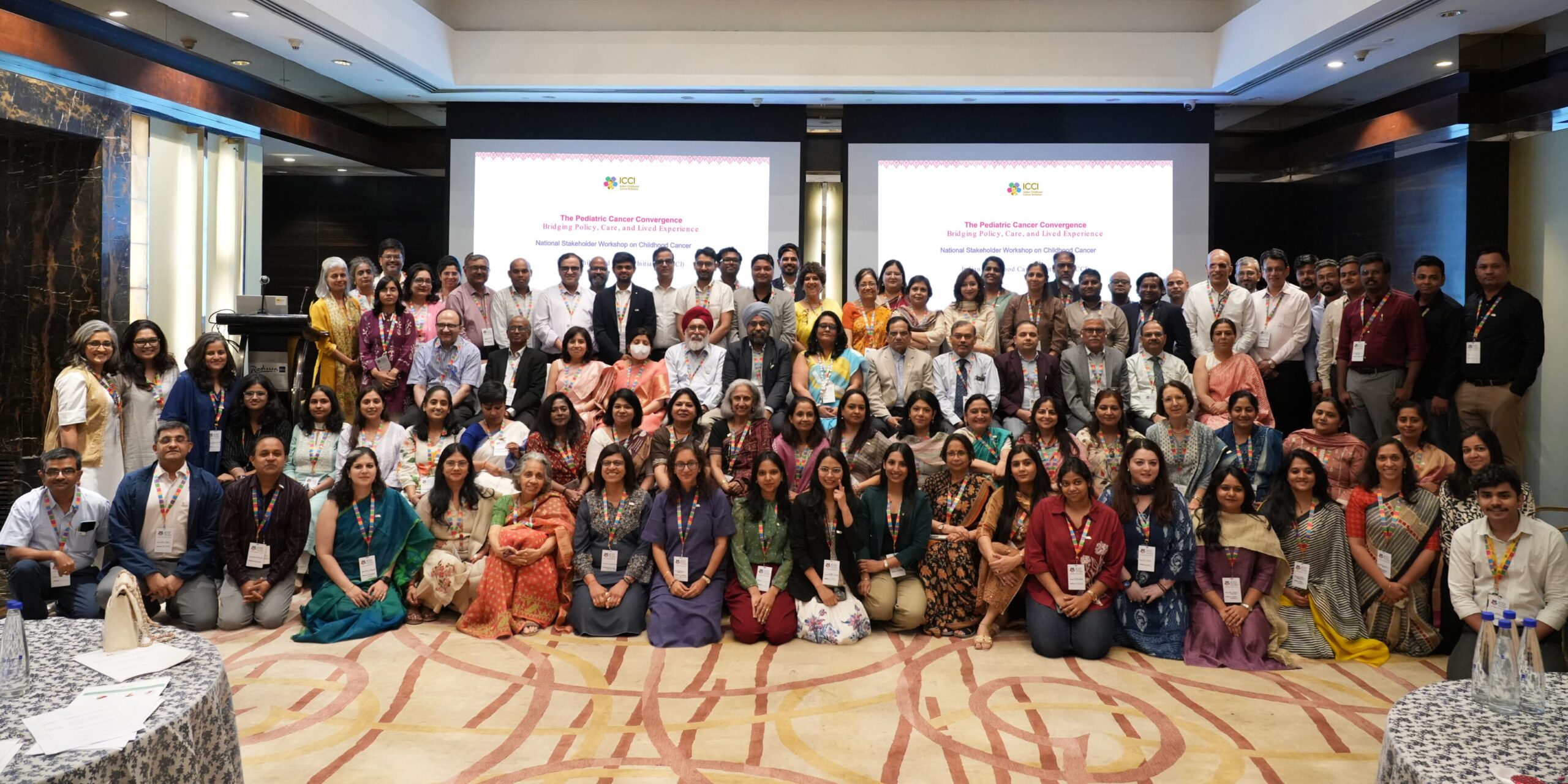
A selection of photographs capturing key moments from the National Stakeholder Workshop, including panel discussions, stakeholder interactions, technical sessions, and collaborative exchanges.
A shared national commitment to childhood cancer care
The National Stakeholder Workshop reaffirmed a shared national commitment to strengthening childhood cancer care through partnership, policy, evidence, and innovation. As ICCI continues to bring together diverse stakeholders, the discussions and recommendations emerging from the workshop will contribute towards building integrated childhood cancer ecosystems that ensure every child, regardless of where they live, has access to timely diagnosis, quality treatment, financial protection, supportive care, and survivorship.